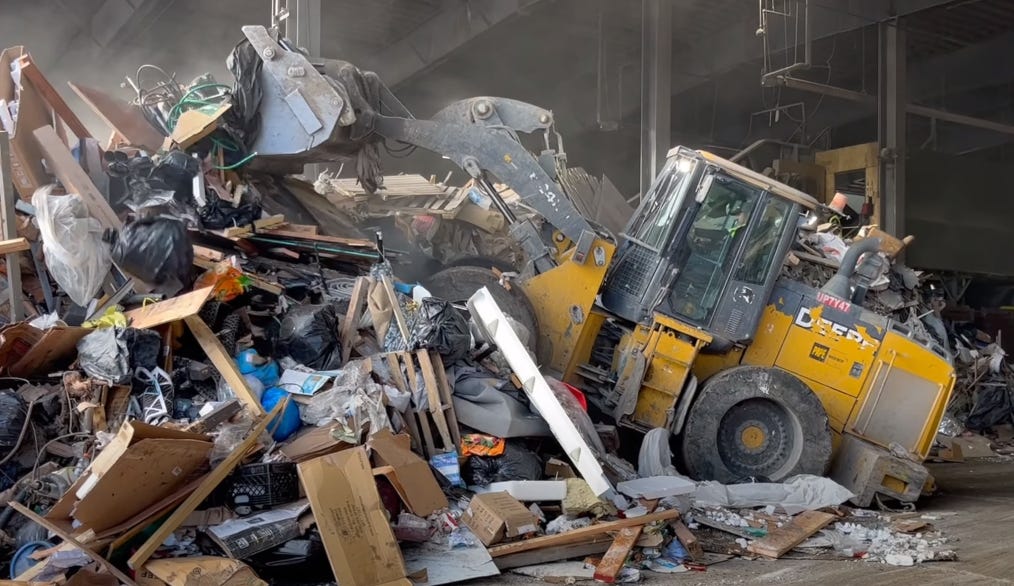
How much time do you spend thinking about what goes into the bin? We’re pretty insulated from the amount of waste we produce. We might empty our trash into the bear box a couple of times a week, think, wow, that’s a lot for one week, and then go on with our day. Or we head to the dump after a good spring clean and watch things we once spent money on get crushed beneath a loader along with our neighbors’ stuff.
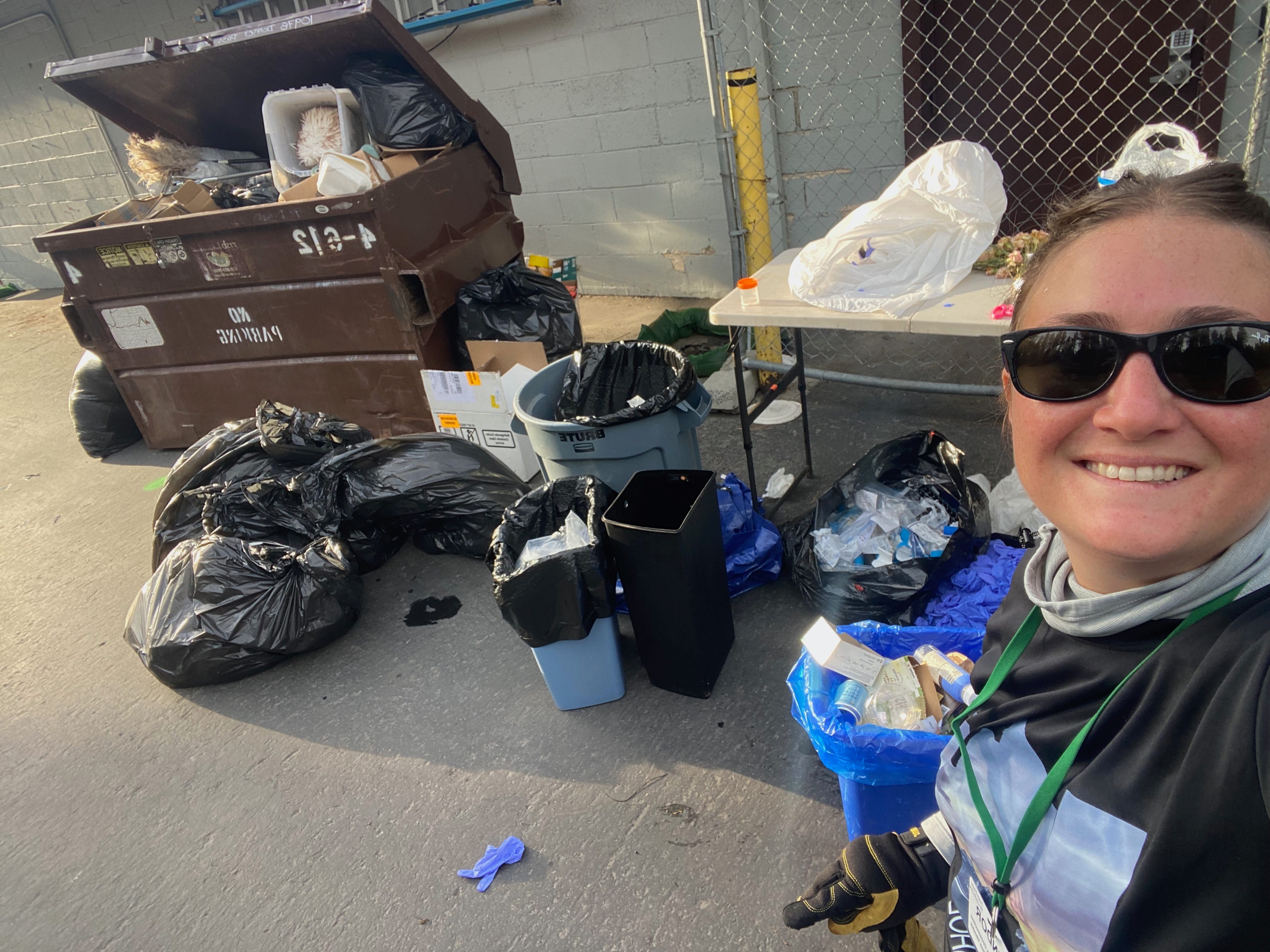
María López Godoy spends a lot more time thinking about it. She’s made a career out of helping organizations understand what they throw away and how to throw away less. According to her Waste Free Tahoe bio, she has helped hundreds of locations reduce waste and helped keep more than 10,000 tons out of landfills over the course of her career.
At one ski resort, María examined what was headed for the landfill and found that roughly 80% could be kept out of it if the resort changed how it collected and handled that waste. Only 2% had no identified path elsewhere. The audit showed what was possible; putting a workable system in place was the next step.
“That finding reframes the entire conversation... It is about showing an operation exactly where the waste is going, what it is costing them, and what a realistic path to diversion looks like.”
From ski instructor to Waste Free Tahoe
María grew up in Argentina and first came to Truckee “to be a ski instructor, chasing the mountains and skiing as much as I could.” She was finishing her economics degree at the time, and working at resorts got her wondering how those same places could operate more sustainably.
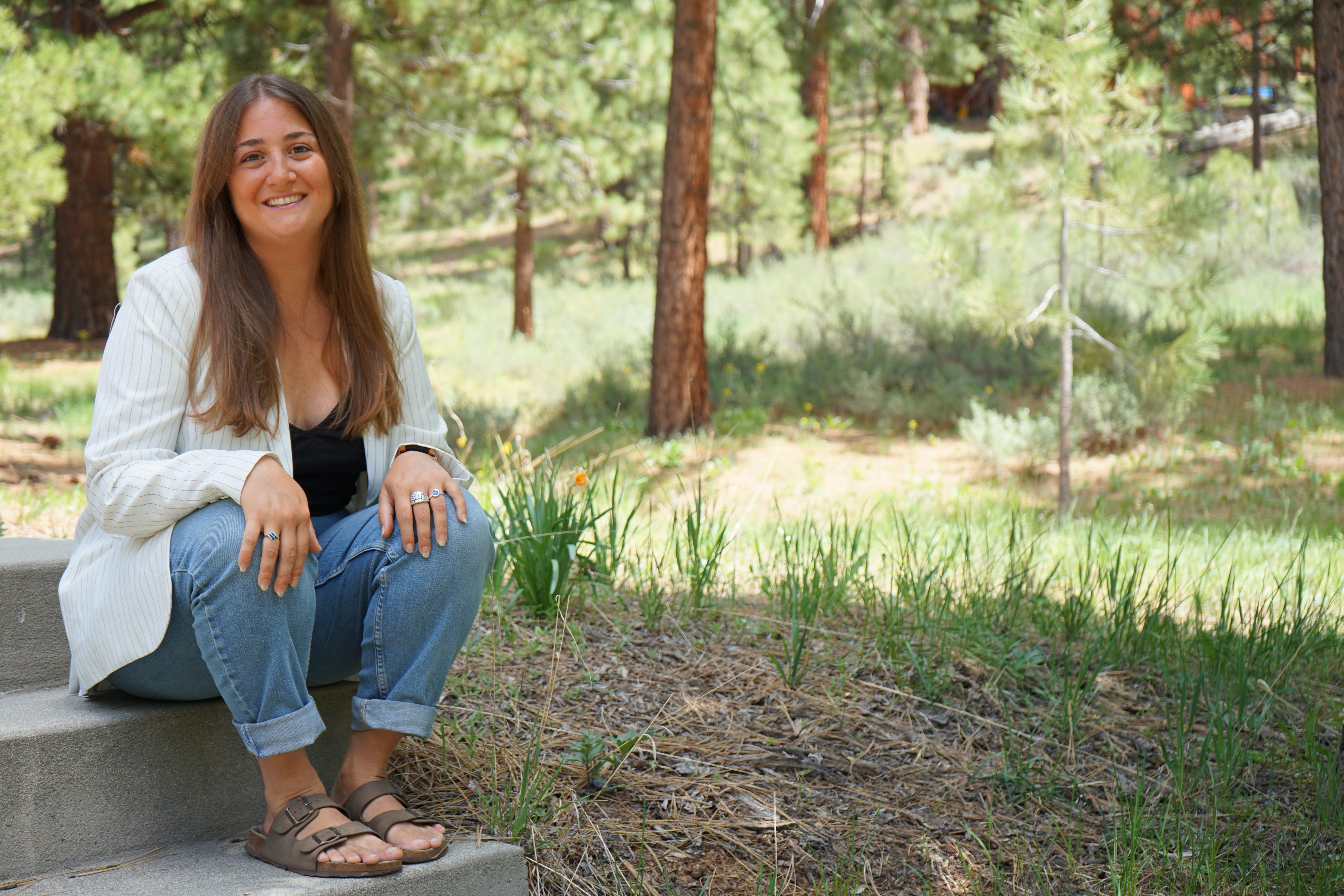
She went on to earn a master’s in sustainability management and consult for large organizations. Eventually, she returned to Truckee to start Waste Free Tahoe.
She had seen plenty of sustainability efforts built around posters, training and good intentions. What she wanted to know was what actually ended up in the trash, and why.
“What was missing was someone willing to get into the waste physically, understand what was actually being generated and why, and build systems around operational reality rather than ideal behavior.”
The problem is often the system
That means getting out from behind a desk. When María walks through a resort, hotel, hospital or other large operation, she pays attention to where waste is created, where the bins are placed and what happens to everything after someone tosses it.
She looks at the signs, too. A business might ask employees to sort waste into four categories when its hauler only accepts two. Staff could follow the instructions perfectly and still be working within a system that doesn’t match what happens at pickup.
“I am looking at the system, not the behavior.”
Why it’s harder in Tahoe
There are fewer hauling options here than in places like Sacramento or the Bay Area. Composting facilities aren’t always accessible year-round, and recycling in a remote market comes with its own challenges. A good plan has to account for what’s actually available locally.
Many Tahoe businesses also rely on seasonal staff. The people working in July may be gone by November, so a waste system needs to make sense without its creator standing next to the bins explaining it.
“Systems have to be simple enough to survive turnover and simple enough to work without constant oversight.”
Where local businesses can start
If you run a business, María suggests starting with a walk through your space during a normal workday. What regularly fills the trash? Are the bins where people need them? Do the signs match what your hauler actually takes? Then pull out your hauling invoice and look at what you’re paying to have taken away.
She also asks businesses to look at what they buy. If the same thing ends up in the trash every week, could you avoid buying so much of it in the first place? A few changes to purchasing, bin placement or signs could make the job easier for staff while cutting waste and costs. María has free checklists to help businesses get started.
“The most sustainable thing an organization can do is stop buying what it does not need and stop paying to landfill what it could be diverting.”
What’s next
María recently launched the Waste Free Tahoe Method, a six-module program that walks smaller businesses through assessing their waste, reviewing invoices and building a system they can maintain themselves. She also works directly with organizations that want hands-on help.
I keep coming back to that ski resort audit. So much of what was headed to the landfill had another possible destination, but someone had to look inside the bin to find out. That’s where María starts: with what’s really happening, and what a business can realistically change.
Learn more at Waste Free Tahoe or reach María at m@wastefreetahoe.com.